
Digital vs Printed Wedding Invitations: Which Is Right for You?
Compare digital and printed wedding invitations by cost, guest experience, sustainability, keepsake value and ease of updates.
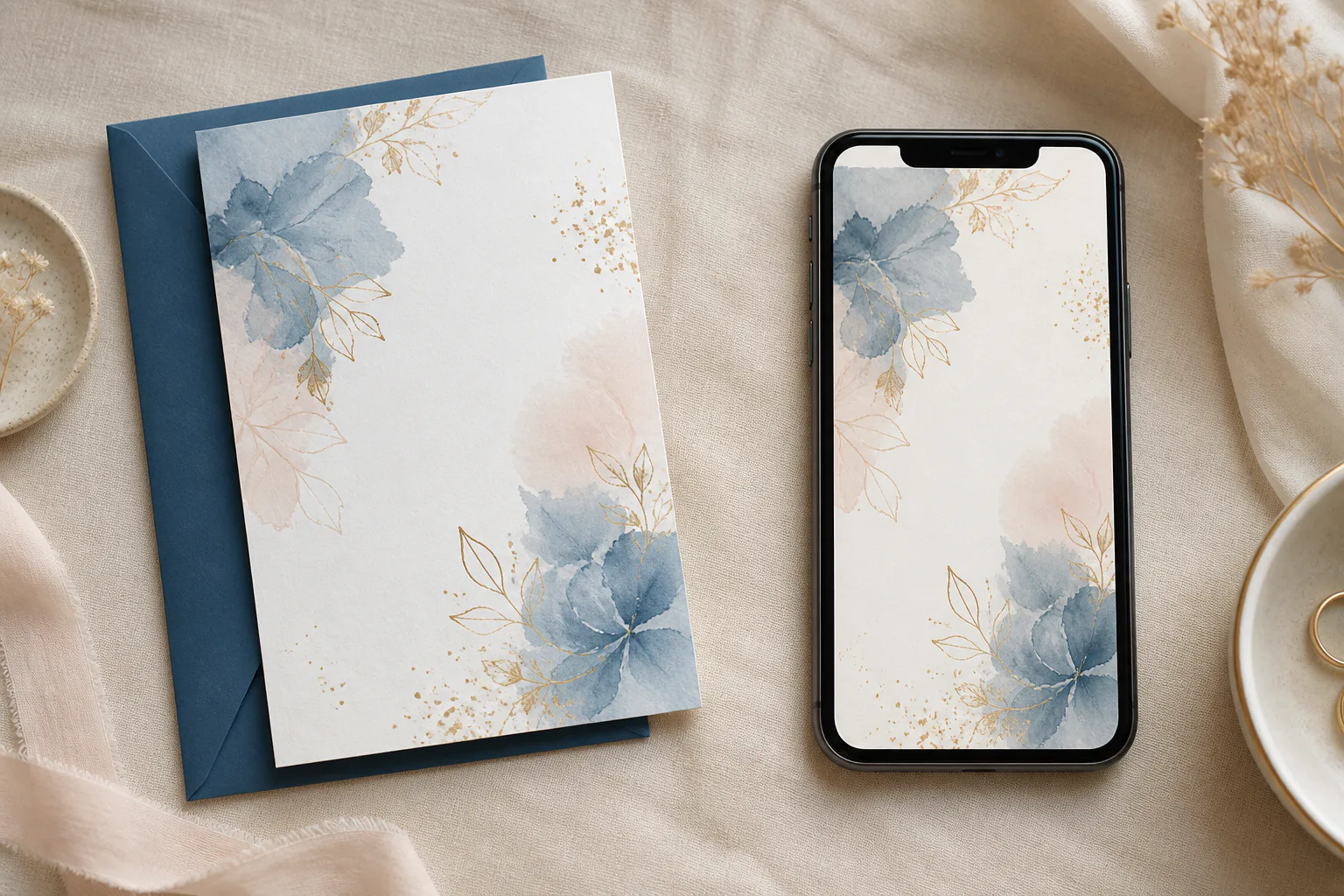
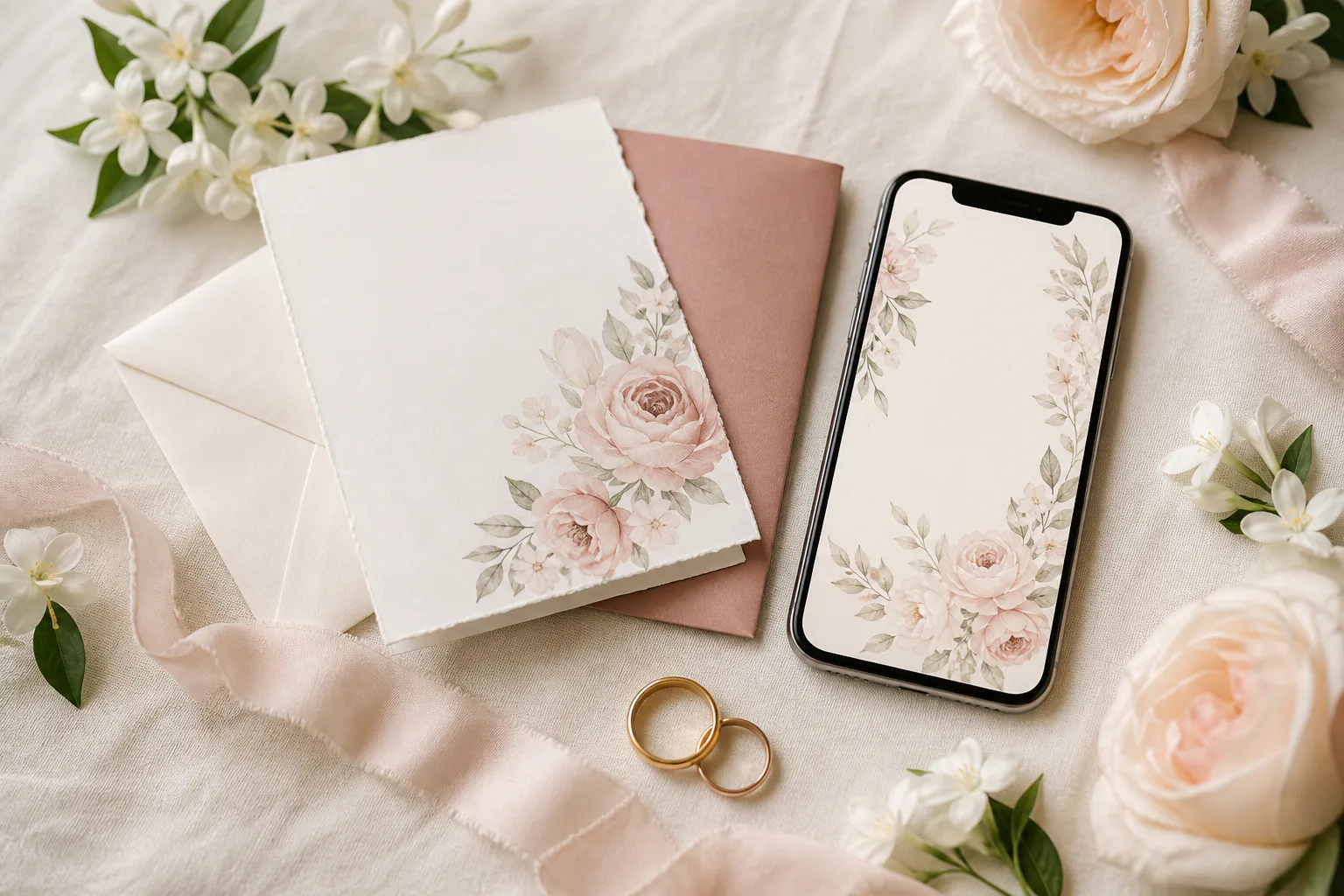
Digital and printed invitations create different kinds of value. One is interactive, quick to update and easy to share; the other is tactile, ceremonial and keepsake-friendly. The best choice depends on your guests, traditions, timeline and priorities—not on a universal rule.
Where digital invitations are strongest
A digital invitation can hold an entire event schedule, maps, RSVP, galleries and live updates in one link. Delivery is fast and there is no per-card postage cost. It is especially useful for international guest lists, multi-event weddings and short planning timelines.
It also reduces the friction of correcting a time or venue, although important changes should still be messaged directly.
Where printed invitations are strongest
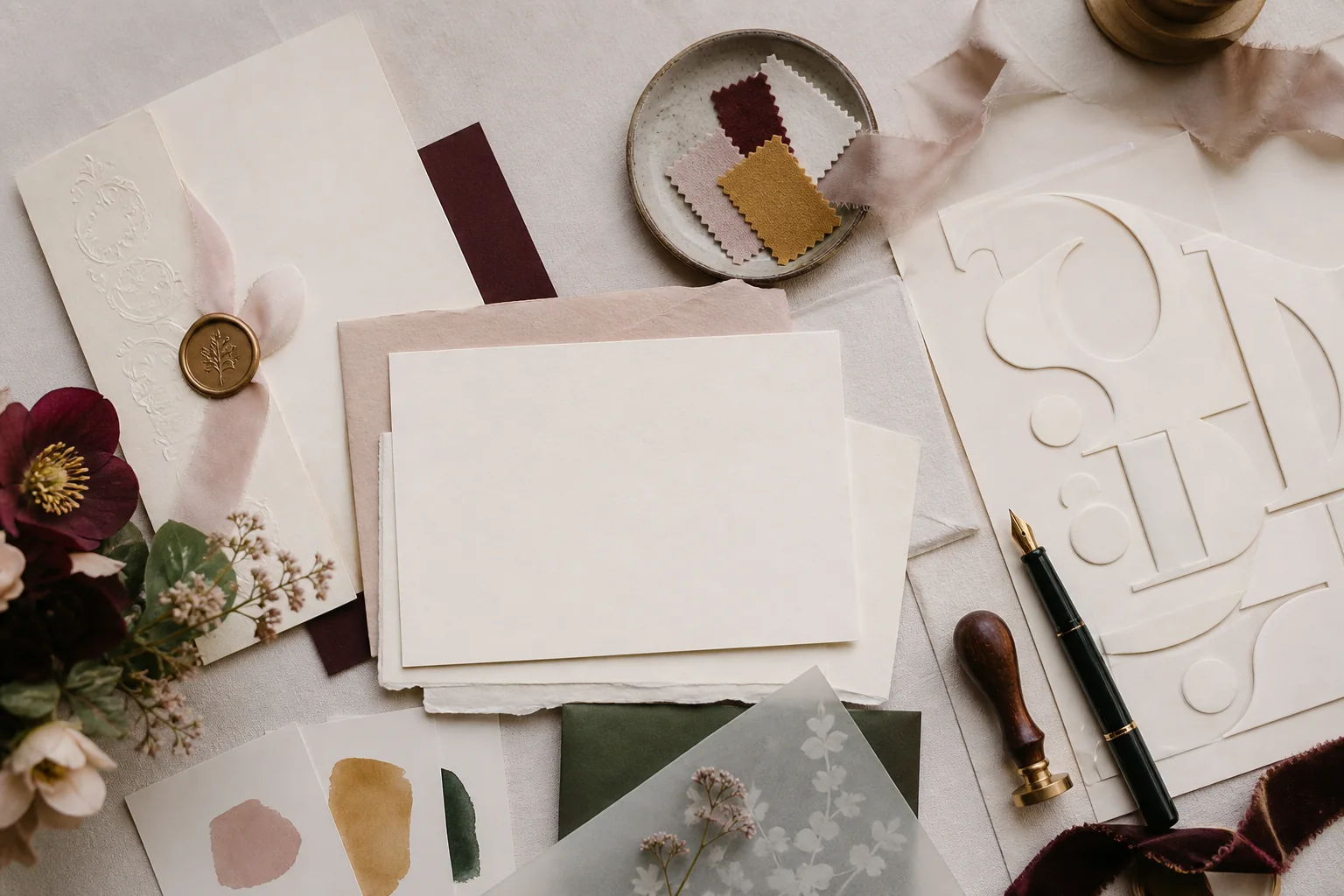
Paper brings texture, craftsmanship and a sense of ceremony. Hand-delivering cards can be an important family tradition, and a physical invitation becomes a keepsake. It also works for guests who are uncomfortable with links or smartphones.
Printing requires earlier final decisions and adds costs for design, paper, finishing, envelopes, delivery and reprints.
Compare the factors that matter to you
Digital usually wins on speed, updates, interactivity and measurable RSVPs. Print wins on tactility, ritual and display value. Sustainability depends on choices: responsible paper and local printing can reduce impact, while digital media still uses energy and devices.
Accessibility is also mixed. A well-built digital page can support larger text and screen readers, while a printed card needs no connectivity. Know your actual guest list rather than designing for an imagined average guest.
A hybrid approach often works best
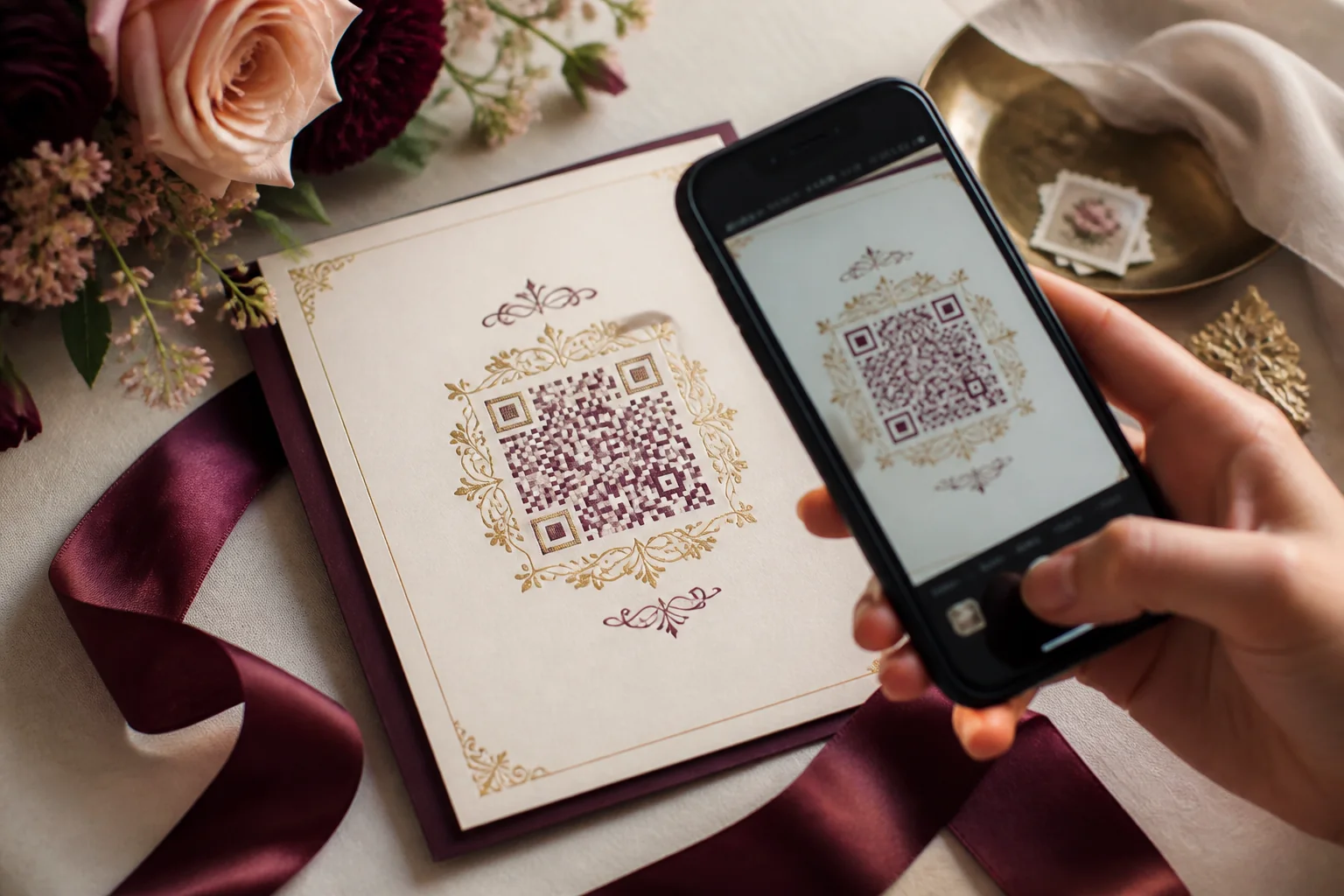
Many couples print a smaller keepsake run for elders and close family, then use a digital link for schedules, maps and RSVP. A QR code on the printed insert connects both experiences without repeating every detail on paper.
Keep the visual identity and wording consistent so guests recognize both formats as part of the same wedding.
Use this quick decision rule
Choose digital-first if your wedding has several events, many travelling guests, a tight timeline or a need for live details. Choose print-first if card-giving is central to your family tradition and most details are stable. Choose hybrid when you want the ritual of paper and the usefulness of an online hub.
Budget for the complete delivery process, not just the card design. Envelopes, addresses, courier fees and reprints can change the print comparison significantly.
Frequently asked questions
Are digital wedding invitations cheaper than paper?+
Usually, especially for large or international lists, because there are no printing and postage costs. Custom digital design can still vary in price.
Do older guests accept digital wedding invitations?+
Many do when the link is simple and sent personally. For relatives who prefer paper, a small printed run or a family member's help creates an inclusive hybrid approach.
Can I use both digital and printed invitations?+
Yes. Use matching visual design, put essential ceremonial wording on paper and connect to the full schedule, maps and RSVP with a short URL or QR code.
Put the guide into practice
Create your wedding invitation
Start with a polished template, add every event and share one mobile-friendly link with your guests.
Explore templates